Hadeya: Elevating Design with Modern Handwritten Elegance
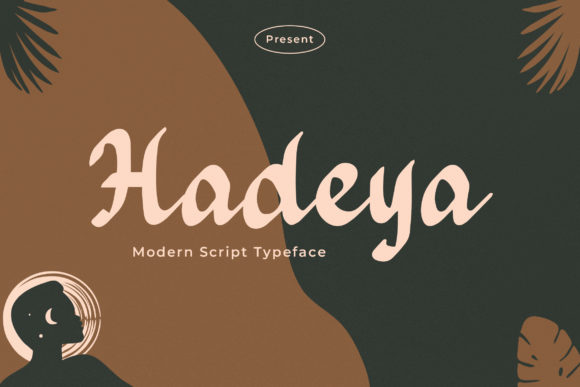
In the vast landscape of digital typography, finding a font that strikes the perfect balance between professional polish and authentic human touch can be a challenge. Designers, business owners, and creative enthusiasts often find themselves scrolling through endless libraries, searching for that one typeface that feels both contemporary and timeless. Enter Hadeya, a modern paint-brushed handwritten font that has quickly become a favorite for those seeking to infuse their projects with warmth, personality, and sophistication. Unlike rigid mechanical fonts, Hadeya captures the fluidity of actual brush strokes, offering a visual experience that feels personal and inviting.
The Essence of Handwritten Typography in Modern Design
Typography is more than just legible text; it is the voice of your design. When a viewer looks at a wedding invitation, a logo, or a social media graphic, the font choice immediately sets the emotional tone. Standard sans-serif fonts convey efficiency and modernity, while serif fonts often suggest tradition and authority. However, handwritten fonts like Hadeya occupy a unique niche. They bridge the gap between formal elegance and casual intimacy.
The rise of digital communication has created a paradoxical desire for analog authenticity. In an era where most interactions are screen-based, consumers crave connections that feel human. A paint-brushed font mimics the imperfections and variations of real handwriting, triggering a psychological response of trust and familiarity. Hadeya leverages this by providing clean, sweeping strokes that look as though they were painted by hand, yet maintain the consistency required for professional design work. This duality makes it an invaluable tool for creators who want their work to stand out without appearing messy or unpolished.
Key Characteristics of Hadeya
To understand why Hadeya is such a versatile choice, it is essential to examine its specific design attributes. Not all handwritten fonts are created equal, and Hadeya distinguishes itself through several key features:
- Fluid Brush Strokes: The font replicates the natural tapering of a paintbrush, with thick downstrokes and thin upstrokes. This variation adds dynamic movement to the text, preventing it from looking static or flat.
- Modern Aesthetic: While it is handwritten, Hadeya avoids the overly cursive or calligraphic styles of the past. Its lines are cleaner and more streamlined, aligning with contemporary design trends that favor minimalism and clarity.
- High Legibility: One of the common pitfalls of script fonts is poor readability. Hadeya is designed with careful attention to letter spacing and character distinction, ensuring that even at smaller sizes, the text remains easy to read.
- Versatile Weight: The font possesses a balanced weight that allows it to command attention as a headline without overpowering surrounding elements. It sits comfortably between bold statement pieces and subtle accents.
Practical Applications and Real-World Scenarios
The true value of a typeface is revealed in its application. Hadeya is not limited to a single industry or use case; rather, its adaptability makes it suitable for a wide array of projects. Below are some of the most effective ways to utilize this font in professional and personal contexts.
Wedding Invitations and Event Stationery
Perhaps the most natural home for Hadeya is in the world of weddings and special events. Couples often seek a font that reflects the romance and significance of their union. Hadeya’s elegant loops and soft edges create a sense of celebration and grace. Whether used for the couple’s names on the main invitation or for detailed information on RSVP cards, it adds a layer of sophistication. When paired with a simple, clean sans-serif font for the body text, Hadeya creates a harmonious contrast that guides the reader’s eye naturally through the information.
Branding and Logo Design
For small businesses, particularly those in lifestyle, beauty, fashion, or culinary sectors, a logo needs to convey personality instantly. A brand using Hadeya in its logo signals approachability and artisanal quality. Consider a boutique bakery or a handmade jewelry store; the handwritten style suggests that care and human effort go into every product. However, it is crucial to use it strategically. In logo design, Hadeya works best for the brand name or tagline, while functional text should remain in a more neutral typeface to ensure clarity across various mediums, from business cards to website headers.
Social Media and Digital Content
In the fast-paced environment of social media, stopping the scroll is paramount. Quotes, inspirational messages, and promotional graphics benefit greatly from the visual impact of Hadeya. When overlaid on high-quality photography, the font acts as a focal point, drawing the viewer in. For content creators, using Hadeya for pull quotes or key takeaways in Instagram stories or Pinterest pins can increase engagement. The "handwritten" feel makes the content appear less like an advertisement and more like a personal recommendation, which resonates deeply with online audiences.
Greeting Cards and Thank You Notes
There is a profound difference between a generic printed card and one that feels personally crafted. Hadeya allows designers and individuals to create greeting cards that mimic the sentiment of a handwritten note. Whether for thank-you cards after a purchase, holiday greetings, or birthday wishes, the font adds a touch of sincerity. It transforms standard digital prints into keepsakes that recipients are more likely to hold onto, enhancing the perceived value of the gesture.
Evaluating Suitability: When to Use Hadeya
While Hadeya is a powerful design tool, it is not a universal solution. Understanding its limitations is just as important as recognizing its strengths. To ensure you get the best results, consider the following guidelines when deciding if Hadeya is the right choice for your project.
- Purpose and Tone: Ask yourself what emotion you want to evoke. If the goal is to convey warmth, elegance, creativity, or personal connection, Hadeya is an excellent fit. However, if the project requires a tone of strict authority, technical precision, or corporate neutrality (such as legal documents or financial reports), a traditional serif or sans-serif font would be more appropriate.
- Readability Requirements: Although Hadeya is highly legible for a script font, it should not be used for long blocks of text. Extended reading in handwritten styles can cause eye fatigue. Reserve Hadeya for headlines, titles, short phrases, and accents. Use complementary fonts for paragraphs and detailed information.
- Context and Contrast: Hadeya shines when it has room to breathe. Avoid cluttering designs with too many competing elements. Pair it with ample white space and simple backgrounds. Additionally, ensure there is sufficient contrast between the font color and the background. Light gray text on a white background, for example, will render the delicate strokes of Hadeya invisible.
- Target Audience: Consider who will be viewing the design. Hadeya appeals broadly but is particularly effective for audiences that value aesthetics, lifestyle, and personalization. For highly technical or industrial audiences, its decorative nature might be perceived as distracting rather than enhancing.
Tips for Maximizing Impact with Hadeya
To truly harness the potential of Hadeya, consider these practical tips for implementation:
- Pairing Fonts: The best companion for Hadeya is a clean, geometric sans-serif font. This contrast highlights the organic nature of the brush strokes while maintaining a modern overall look. Avoid pairing it with other script fonts, as this can create visual confusion.
- Scaling Matters: Hadeya looks best at larger sizes where the details of the brush strokes are visible. When using it for smaller elements, such as footers or fine print, test the legibility carefully. You may need to increase letter spacing slightly to prevent characters from merging.
- Color Selection: While black is classic, Hadeya also looks stunning in deep navy, charcoal, or even metallic gold tones for luxury applications. Experiment with colors that align with your brand palette, but avoid neon or overly bright hues that might clash with the font’s elegant demeanor.
- Digital vs. Print: Always check how the font renders in your final medium. On screens, ensure anti-aliasing is enabled for smooth edges. In print, use high-resolution files to preserve the crispness of the brush tips.
Conclusion
In a digital world that often feels impersonal, Hadeya offers a refreshing return to human-centric design. Its ability to convey elegance, warmth, and authenticity makes it an indispensable asset for designers, entrepreneurs, and creators alike. From the intimate details of a wedding invitation to the bold statement of a brand logo, Hadeya provides the handwritten touch that modern audiences crave. By understanding its characteristics and applying it thoughtfully, you can elevate your visual communications, creating designs that not only capture attention but also resonate on a deeper, emotional level. Whether you are crafting a simple thank-you card or developing a comprehensive brand identity, Hadeya stands ready to add that perfect stroke of artistic flair.