March Wonderful: Elevating Design with Sweet, Handwritten Typography
In an era where digital interfaces often feel sterile and standardized, there is a growing hunger for authenticity. Consumers and audiences alike are gravitating toward brands and content that feel human, approachable, and distinct. This shift has placed a renewed spotlight on typography, specifically handwritten and brush-style fonts that convey personality and warmth. Among the many options available to designers today, March Wonderful stands out as a compelling choice. It is not merely a typeface; it is a design tool that bridges the gap between professional polish and personal touch.
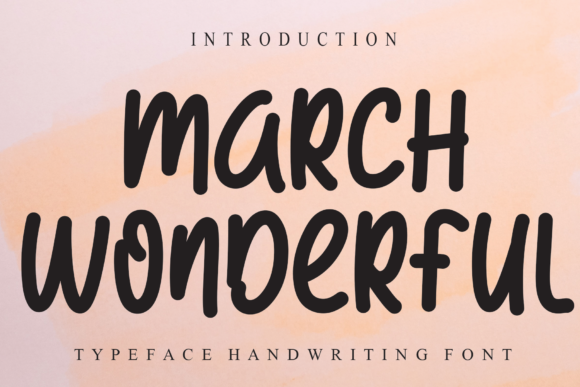
March Wonderful is a sweet and friendly paint-brushed handwritten font. Its natural and unique style makes it incredibly fitting to a large pool of designs. The only limit is your imagination. For creators, marketers, and business owners, understanding how to leverage such a specific typographic voice can significantly enhance communication strategies, brand identity, and user engagement.
The Rise of Authenticity in Modern Visual Communication
The digital landscape has evolved rapidly over the past decade. Early web design prioritized functionality and load times, often at the expense of aesthetic nuance. As technology advanced, minimalism became the dominant trend, characterized by clean lines, sans-serif fonts, and ample white space. While effective for clarity, this approach sometimes resulted in a homogenized look where many brands struggled to differentiate themselves visually.
Today, we are witnessing a corrective trend. Audiences are experiencing "digital fatigue" from overly polished, corporate aesthetics. They crave connection. This is where handwritten fonts like March Wonderful become relevant. They inject a sense of humanity into digital spaces. A brush-stroke font suggests that a real person was behind the creation, implying care, craftsmanship, and individuality. This psychological cue is powerful for building trust and rapport, particularly for small businesses, freelancers, and lifestyle brands that rely on personal connection with their customers.
Furthermore, the accessibility of high-quality design tools has democratized creativity. Entrepreneurs and bloggers no longer need extensive graphic design training to create professional-looking materials. However, with greater access comes the challenge of standing out. Using a distinctive font like March Wonderful allows creators to establish a unique visual signature without needing custom illustration skills for every project.
Understanding the Aesthetic Appeal of March Wonderful
To effectively use March Wonderful, one must understand its specific characteristics. As a paint-brushed handwritten font, it mimics the texture and flow of actual brush strokes. This results in varying line weights, organic curves, and slight imperfections that are inherent to hand-lettering. These features contribute to its "sweet and friendly" demeanor.
Unlike rigid geometric fonts, March Wonderful feels relaxed and inviting. It does not shout; it whispers. This makes it particularly effective for contexts where the goal is to make the audience feel comfortable and welcome. The "natural" aspect of its style means it avoids the mechanical precision of digital typesetting, offering a more artistic and fluid appearance. This uniqueness ensures that designs utilizing this font do not blend into the background but rather capture attention through their inherent charm.
It is important to note that while the font is playful, it maintains legibility. Many handwritten fonts sacrifice readability for style, rendering them useless for anything beyond short headlines. March Wonderful strikes a balance, ensuring that the message remains clear while the delivery remains stylish. This versatility is what makes it fitting for a large pool of designs, from social media graphics to packaging labels.
Practical Applications Across Industries
The versatility of March Wonderful allows it to serve various professional needs. Here are several practical ways different users can integrate this font into their workflows:
- Branding and Identity: For boutique shops, cafes, or artisanal products, March Wonderful can serve as the primary logo font or a secondary accent font. It conveys a sense of handmade quality and care, aligning perfectly with brands that emphasize craftsmanship.
- Social Media Content: In the fast-paced world of Instagram and Pinterest, visuals must stop the scroll. Using March Wonderful for quotes, announcements, or product highlights adds a personal touch that resonates with followers. It breaks the monotony of standard corporate feeds.
- Wedding and Event Stationery: The sweet and friendly nature of the font makes it ideal for invitations, save-the-dates, and place cards. It adds a romantic and celebratory feel without being overly formal or stiff.
- Educational Materials: Educators and creators of online courses can use March Wonderful to make learning materials feel more approachable. It reduces the intimidation factor of complex topics, making the content feel like guidance from a friendly mentor rather than a rigid textbook.
- Packaging Design: For food products, cosmetics, or gifts, typography on packaging plays a crucial role in purchasing decisions. A brush font suggests freshness and natural ingredients, appealing to consumers looking for organic or wholesome options.
By integrating March Wonderful into these areas, professionals can enhance the emotional impact of their designs. The font acts as a non-verbal communicator, setting the tone before the viewer even reads the full text.
Best Practices for Using Handwritten Fonts
While March Wonderful is versatile, effective typography requires discipline. Overusing decorative fonts can lead to visual clutter and reduced readability. To maximize the impact of this font, consider the following recommendations:
- Pairing with Complementary Fonts: Handwritten fonts work best when paired with simple, clean sans-serif or serif fonts. Use March Wonderful for headlines, titles, or emphasis, and use a neutral font for body text. This contrast creates hierarchy and ensures the design remains easy to navigate.
- Maintaining Legibility: Avoid using March Wonderful for long paragraphs or small text sizes. The intricate details of brush strokes can become muddy when scaled down. Reserve it for larger displays where its character can shine.
- Color Considerations: The friendly nature of the font pairs well with soft, pastel palettes or warm earth tones. However, it can also provide a striking contrast against bold, dark backgrounds. Experiment with color to match the mood of your specific project.
- Whitespace is Key: Handwritten fonts need room to breathe. Crowding March Wonderful with other elements diminishes its impact. Ensure adequate spacing around text blocks to let the natural flow of the letters stand out.
- Consistency in Branding: If you choose March Wonderful as part of your brand identity, use it consistently across all platforms. This repetition builds recognition and reinforces the personality traits associated with the font.
These practices ensure that the font enhances rather than detracts from the overall design. The goal is to use March Wonderful strategically, leveraging its strengths while mitigating potential drawbacks.
Adapting to Changing User Expectations
As user expectations continue to shift toward personalized experiences, the role of typography in user experience (UX) design becomes increasingly significant. Users are no longer passive consumers of content; they are active participants who seek engagement and resonance. Designs that feel generic are often ignored or dismissed.
March Wonderful offers a way to meet this demand for personalization. By incorporating a font that feels handcrafted, designers signal that they value the human element. This is particularly important in industries like healthcare, wellness, and education, where trust and empathy are paramount. A friendly font can soften the clinical feel of medical information or make educational content feel more supportive.
Moreover, the trend toward mobile-first design requires fonts that are scalable and readable on small screens. While March Wonderful is primarily a display font, its clear structure allows it to perform well in mobile headers and buttons, provided it is used sparingly. Designers must remain mindful of screen size and resolution, ensuring that the brush textures remain crisp and recognizable on all devices.
Conclusion: Embracing Creativity with March Wonderful
The evolution of design trends reflects broader cultural shifts toward authenticity, connection, and individuality. March Wonderful embodies these values through its sweet, friendly, and natural aesthetic. It is more than just a font; it is a vehicle for expressing personality and building relationships with audiences.
For professionals, creators, and entrepreneurs, adopting such a tool requires a thoughtful approach. By understanding the context in which handwritten fonts thrive and applying best practices for their use, one can unlock the full potential of March Wonderful. Whether used in branding, social media, or packaging, it offers a unique opportunity to stand out in a crowded digital landscape.
Ultimately, the only limit is your imagination. By experimenting with March Wonderful, you can discover new ways to communicate, connect, and create. In a world that often feels automated and impersonal, adding a touch of handwritten warmth can make all the difference. Embrace the natural style, respect the design principles, and let your creativity flow.